


The Candy Corner

Mar 10, 2019
1 min read
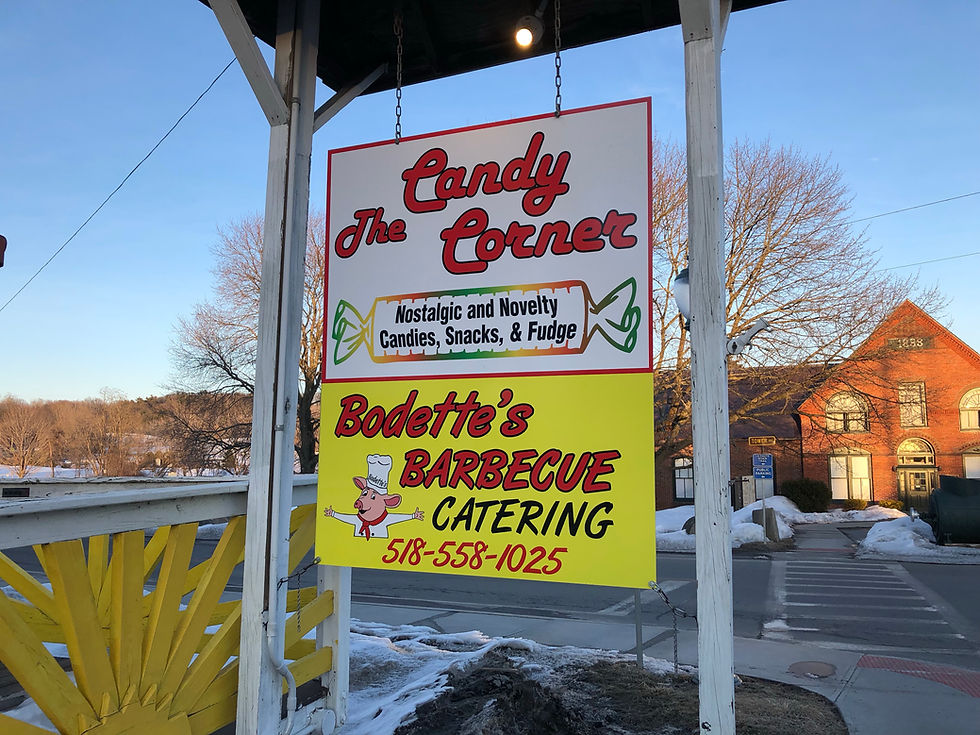
The Candy Corner at 133 Montcalm St in Ticonderoga is live and interactive on Google Street View! We were really excited to work with our friends, the Bodette family on a Matterport Virtual 3D Interactive tour of their Candy Store!


This piece offers a brilliant breakdown on leveraging predictive data to forecast employee turnover and proactively address emerging skill gaps within teams. Seeing workforce trends modeled like this reminded me of a project my colleague tackled while getting assistance from New Assignment Help for her Business Management Assignment Help in Australia coursework, where analyzing staff retention datasets made a massive difference to their strategic planning model. It really highlights how modern HR analytics are shifting from simple reactive fixes to strategic forecasting. Have you noticed if mid-sized firms are adopting these predictive data models as smoothly as larger enterprises, or are data collection constraints still holding them back?
This was a very thoughtful and well-written article that offered a fresh perspective on learning accounting topics. I appreciated how the author simplified difficult concepts into easy-to-follow explanations. As someone studying accounting, I often explore content like this during my study breaks. When coursework becomes overwhelming, many students consider Accounting Assignment Help to better manage their workload. Content like this creates a great balance between academic learning and practical understanding.
The article’s attention to vintage store architecture and the detail about weighing candy using mechanical scales offers a surprisingly rich analogy for the Australian curriculum where measurement and verification underpin assessment design. The author’s focus on nostalgia as epistemic memory connects to how regional universities integrate heritage studies into their frameworks. This resonates with the curricular benchmarks associated with Online Assignment Help which often serve as a contextual point of reference for discussions on regional academic alignment. The depiction of candy shops as micro archives feels surprisingly relevant to how students document experiential learning. I find myself wondering whether future curriculum studies might examine commercial spaces as informal learning environments with measurable pedagogical value.